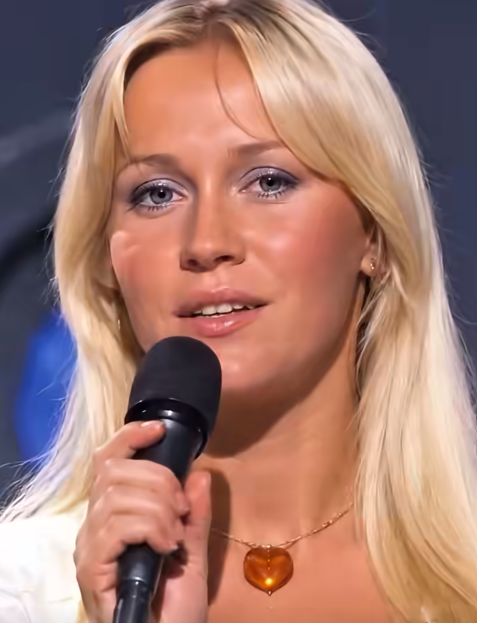
When ABBA released “Chiquitita” in January 1979, the Swedish pop quartet was already one of the best-selling acts in the world. The song arrived as a gift — literally.
The group donated all royalties from its release to UNICEF as part of the United Nations International Year of the Child, a gesture that underscored the warmth embedded in the music itself.
“Chiquitita” was written by Benny Andersson and Björn Ulvaeus, the two male members of the group whose songwriting partnership had already produced a string of international chart hits throughout the mid-1970s.
The song was composed quickly, reportedly inspired by an earlier working title of “In the Arms of Rosalita,” before the Spanish diminutive word meaning “little one” was settled upon as the final title.
The track opens with a melody built around acoustic guitar and piano before the production gradually expands into a sweeping orchestral arrangement. Agnetha Fältskog and Anni-Frid Lyngstad — the two vocalists whose distinct tonal qualities gave ABBA much of its emotional range — share lead duties throughout the song, their voices blending in a way that made the group’s sound immediately recognizable across global radio markets.
The lyrical content of “Chiquitita” centers on a friend in emotional pain — someone retreating inward, unable to see a way forward. The narrator reaches out with compassion, urging the troubled friend to speak and to trust that sorrow can pass.
It is an unusually tender subject for a commercial pop song of that era, and the sincerity of its delivery is widely credited as a reason the track resonated so strongly beyond the typical boundaries of dance-pop.
The song performed exceptionally well on international charts. It reached number one in several European markets and climbed to number four on the UK Singles Chart.
In the United States, it charted on the Billboard Hot 100 and performed particularly well on the Adult Contemporary chart, where ABBA had consistently found a receptive audience. The release also contributed significantly to the album “Voulez-Vous,” which followed later that year.
What distinguished “Chiquitita” commercially was its crossover appeal. ABBA had built their reputation on uptempo tracks with propulsive rhythms and layered harmonies. This song operated in a quieter register, relying on restraint and melodic intimacy rather than energy. That contrast helped it find listeners who had not fully connected with the group’s more exuberant material.
The Spanish-language version of the song, also recorded by ABBA and titled simply “Chiquitita” in Spanish, became one of the most successful Spanish-language recordings of the group’s career.
ABBA had a particularly devoted following in Latin America, and the decision to record full Spanish-language versions of several songs — a practice they applied to a handful of their biggest hits — demonstrated a level of engagement with international audiences that was relatively uncommon for major acts of that period.
▶ Watch the full video below
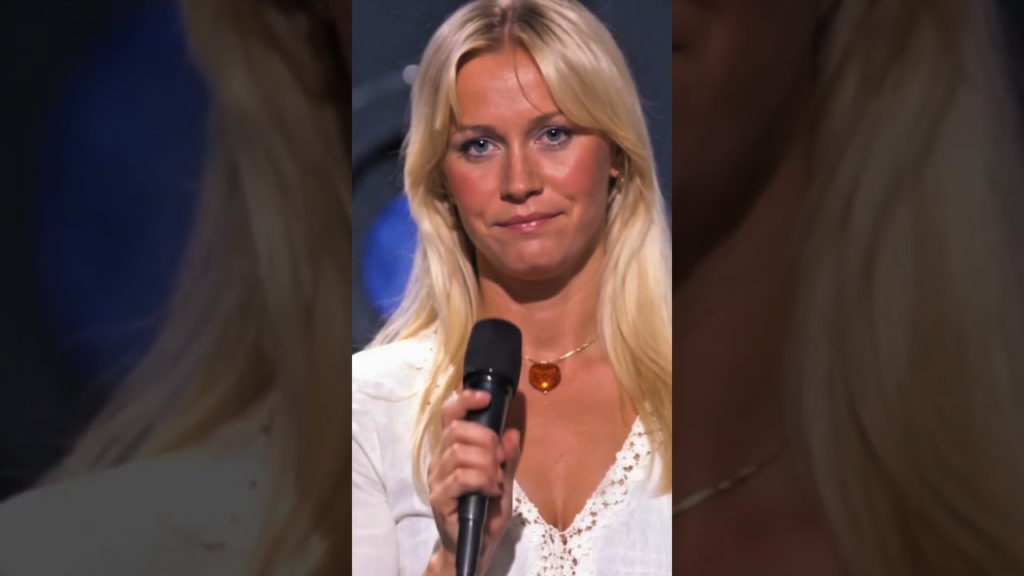
Agnetha Fältskog’s vocal performance on “Chiquitita” has been a subject of considerable discussion among music writers and fans for decades. Her ability to convey emotional vulnerability while maintaining technical control over pitch and phrasing is frequently cited as one of the defining qualities of the recording. Her voice carries a quality of genuine concern that elevates what might otherwise have remained a pleasant but unremarkable ballad.
The song has maintained a persistent presence in popular culture well beyond its initial release. It has been featured in theatrical productions, covered by artists across multiple genres, and continues to circulate widely on streaming platforms.
Its inclusion in the ABBA musical “Mamma Mia!” — both the stage production and the subsequent film adaptations — introduced the song to generations of listeners who had not been alive when it was first released.
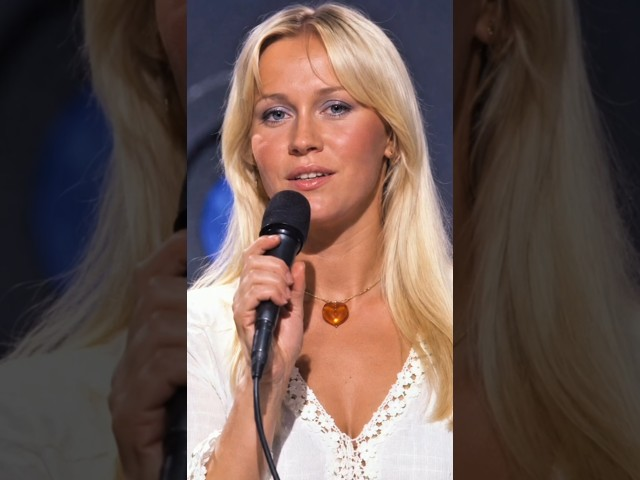
The video clip currently circulating on platforms like YouTube, including the version posted by the channel Zuzu Special, appears to present a visually interpreted or AI-assisted rendering of the classic song, drawing significant engagement from audiences who grew up with ABBA’s original catalog.
Comments on the video reflect a broad geographical reach, with listeners from multiple countries sharing memories and observations about the group and the song’s lasting emotional impact.
▶ Watch the full video below
Several viewers have noted the connection between the song’s themes and their own personal experiences. That response is consistent with what has made “Chiquitita” endure.
Songs built around empathy and human comfort tend to find renewed relevance during periods of personal or collective difficulty, and this track has been rediscovered by new audiences during several such moments in the decades since its release.
The broader legacy of ABBA underwent a significant reassessment beginning in the 1990s, when critical opinion — which had often been dismissive of the group during their active years — began to acknowledge the craftsmanship embedded in their recordings.
“Chiquitita” benefited from that reassessment, with music writers pointing to its production quality, harmonic sophistication, and lyrical empathy as evidence that the group’s output extended well beyond the novelty label it had sometimes been assigned.
For listeners encountering the song through social media clips and short-form video platforms today, the emotional core of “Chiquitita” remains as accessible as it was in 1979. The melody is immediately engaging, the sentiment is universal, and the vocal performance conveys something that transcends the specific production conventions of its era.
The full performance featured in the video below offers an opportunity to hear one of the most enduring recordings in the ABBA catalog — a song that has outlasted chart cycles, critical fashions, and four decades of shifting popular taste. Watch the full video below.